
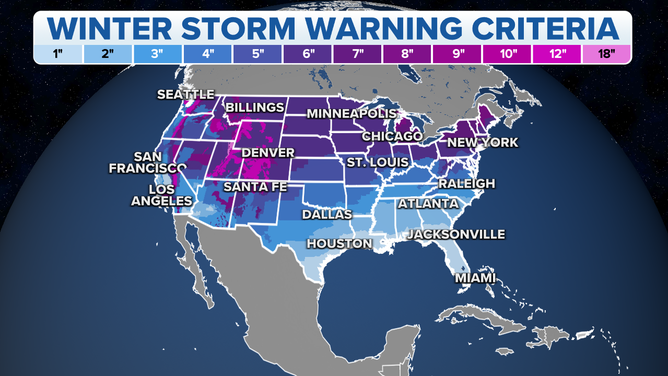
A Winter Storm Watch is a critical alert issued by the National Weather Service (NWS) when conditions are favorable for significant winter weather within 12 to 48 hours. In the context of Winter Storm Fern in January 2026, this watch has been activated across vast regions of the US, from Texas to the Mid-Atlantic, signaling potential for heavy snow, sleet, or ice accumulation that could disrupt daily life. According to NWS guidelines, a watch is declared when there’s at least a 50% chance of meeting or exceeding storm warning criteria, such as 6 inches of snow in 12 hours or 0.25 inches of ice. This proactive measure allows residents, businesses, and authorities to prepare, emphasizing the storm’s severity.
For Winter Storm Fern, the watch covers over 20 states, with radar targeting USA showing a deepening low-pressure system drawing moisture from the Gulf and cold air from the Arctic. Sources like FOX Weather and The Weather Channel highlight how these watches have evolved, with updated criteria to better reflect regional impacts— for instance, lower snow thresholds in southern states like Texas where infrastructure is less equipped for wintry conditions. In Texas weather scenarios, a watch might trigger school closures and highway preparations, as seen in past events like the 2021 freeze.
The reason for heightened trending on Google Trends for “winter storm watch” stems from the storm’s broad footprint, affecting urban centers like Houston and Austin. Preparations include stocking essentials, as power grids could falter under ice loads. Authentically sourced from NWS bulletins, this watch underscores climate patterns influenced by La Niña, potentially making January 2026 one of the coldest on record. For UPSC and BPSC aspirants, understanding such alerts ties into disaster management and environmental geography, highlighting federal-state coordination in weather emergencies.
Impacts extend to transportation, with airlines preemptively canceling flights and trucking routes facing delays. Temperature drops to sub-zero wind chills amplify risks of hypothermia, urging vulnerable populations to seek shelters. As the storm evolves, watches may upgrade to warnings, demanding vigilance. This alert’s significance lies in its role in mitigating losses, drawing from historical data where unpreparedness led to economic hits exceeding billions.